June 5, 2026
The automotive industry has seen a growing trend in preserving vehicle aesthetics through innovative technologies like paint protection film, often called PPF. This clear layer shields external surfaces from everyday wear, protecting automotive paint from rock chips, scratches, and environmental degradation. Maximizing this investment requires understanding the unique elements that influence its longevity. Several factors dictate how long the clear film remains effective, ranging from material quality to driving habits. By exploring these core influences, car owners can preserve their vehicle's showroom shine for years.
Evaluate Material Quality
The foundational layer of any clear automotive wrap rests entirely on the quality of its base materials. Manufacturers utilize polymer-based compositions to craft these defensive layers, with thermoplastic urethane and polyvinyl chloride serving as industry standards. Thermoplastic urethane stands out as the premium choice due to its flexibility and self-healing capabilities, which allow minor blemishes to vanish with heat. Conversely, polyvinyl chloride provides a stiffer structure that lacks long-term flexibility, making it far more prone to cracking over time. Selecting a high-tier polymer base ensures long-term structural integrity.
Beyond the top layer, advanced adhesive properties and ultraviolet resistance play critical roles in determining product longevity. High-grade adhesives allow the clear barrier to bond seamlessly with automotive curves, preventing moisture from creeping beneath edges and causing bubbles. Concurrently, top-tier ultraviolet filters block solar radiation from yellowing the film over time. According to Forbes, a vehicle's paint protection film can last anywhere from five to 10 years before it requires replacement, heavily depending on local environmental conditions. Investing in premium, stabilized films prevents premature degradation and secures extensive protection.
Secure Professional Installation
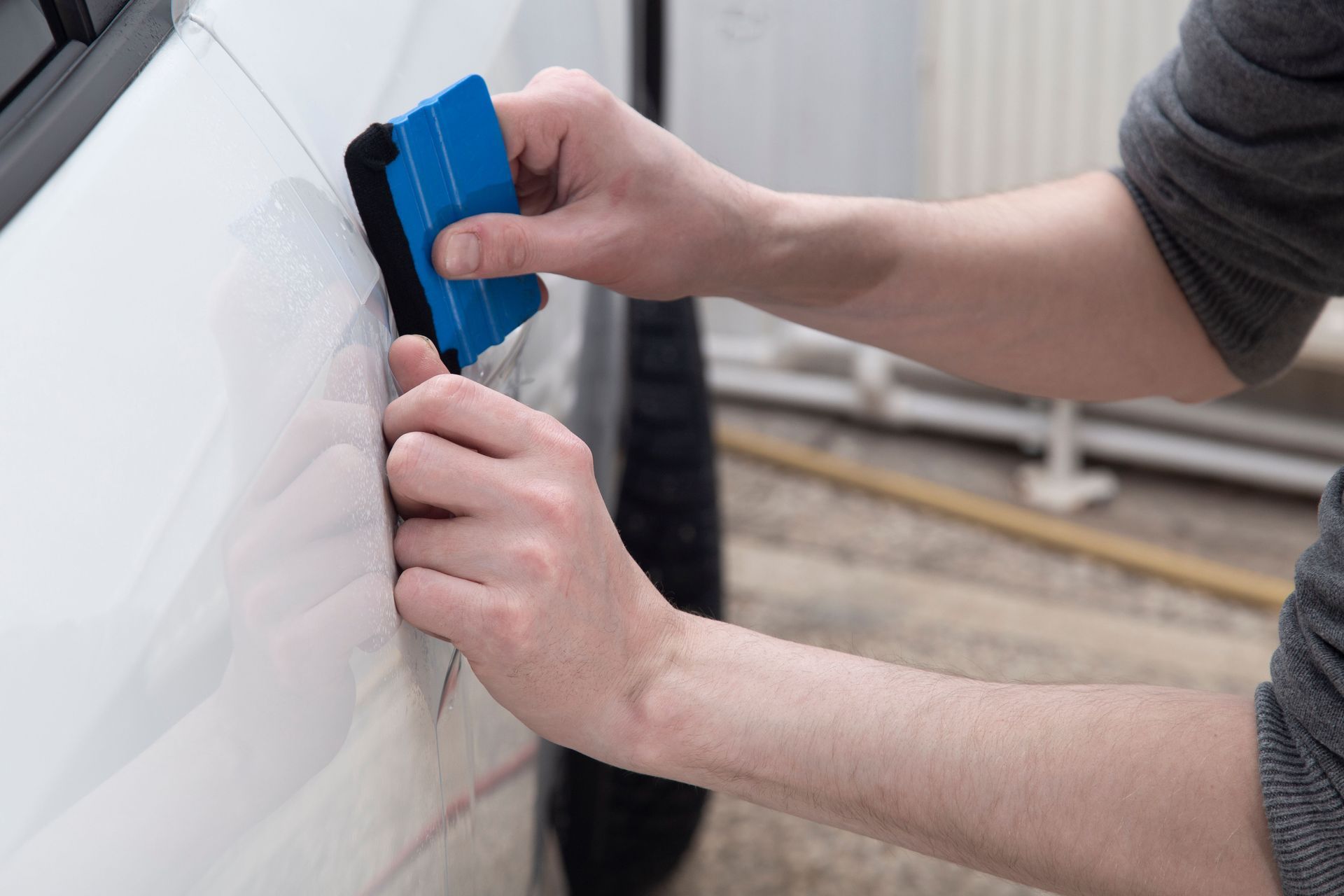
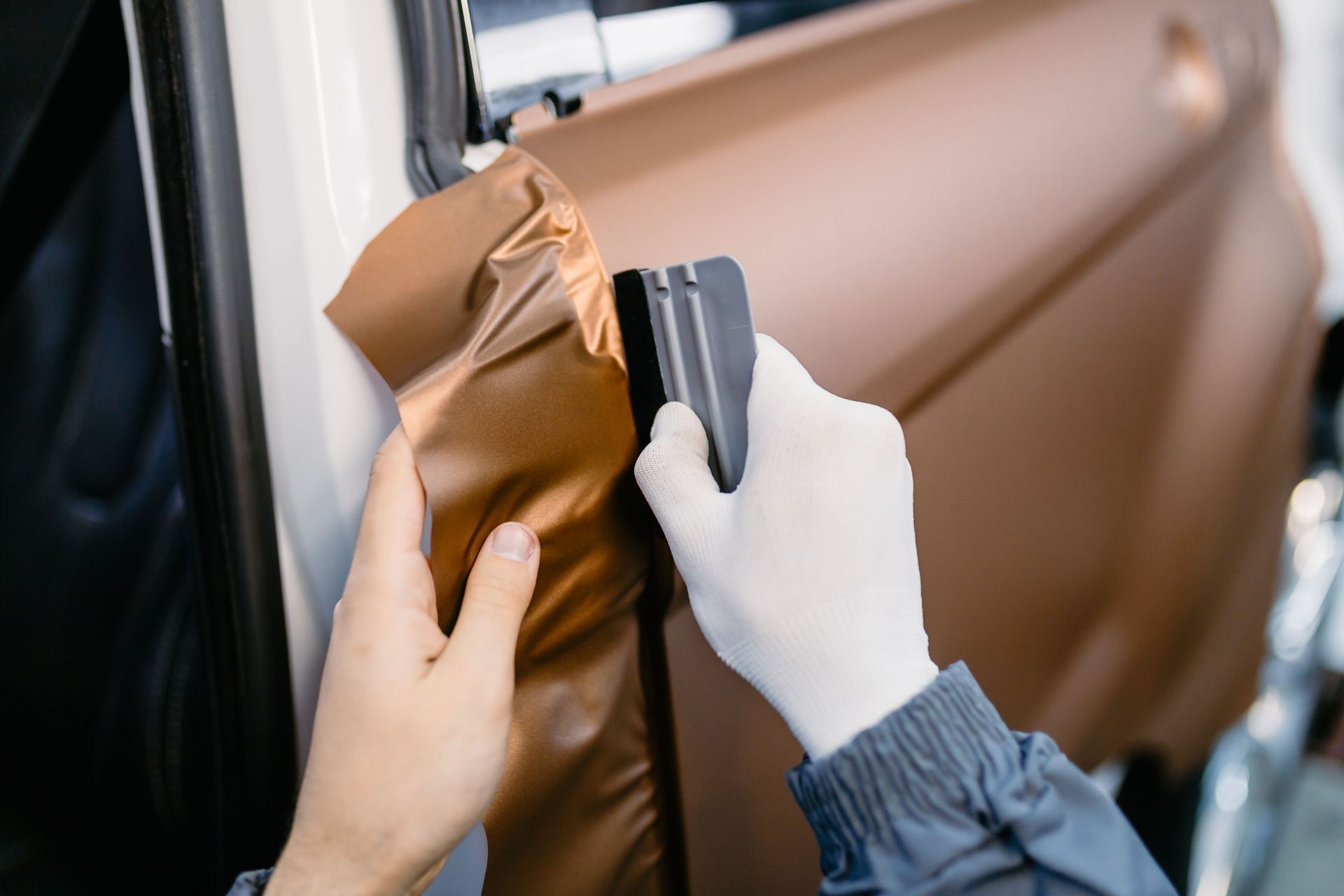
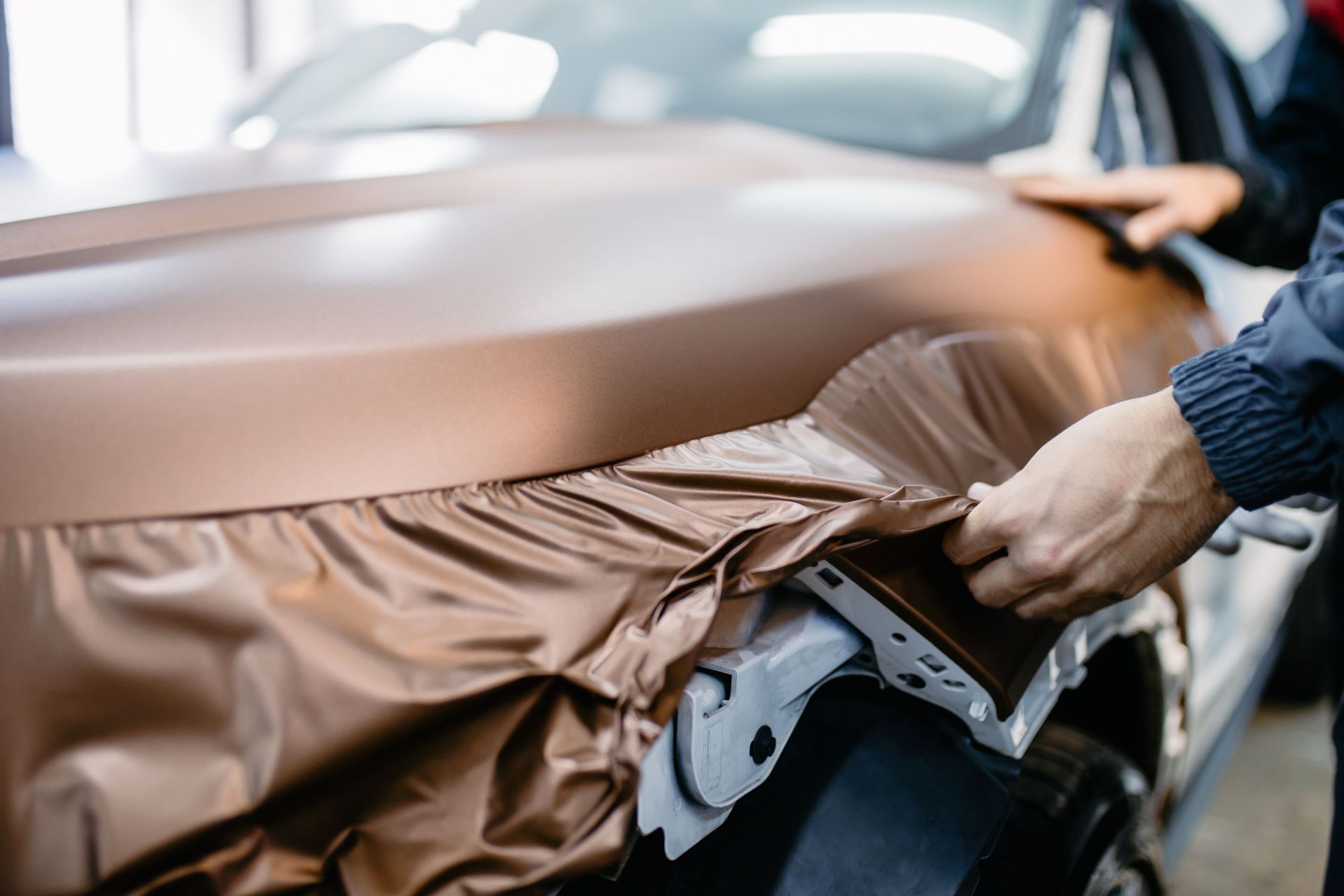
Achieving the full life expectancy of a protective clear wrap requires a flawless PPF application process that only trained specialists can provide. Expert technicians utilize precise techniques to stretch and smooth the material over complex body panels, avoiding air pockets and alignment errors. This meticulous process requires familiarity with various material brands, ensuring that the film adheres perfectly without peeling along the edges. Precision cutting represents another vital component, using advanced template software to match the vehicle's contours. Custom-fitted pieces prevent overlapping, creating a clean, seamless finish.
The surrounding environment during the application phase can alter the final outcome of the installation process. Professional shops operate within strictly controlled, dust-free environments where temperature and humidity levels are continuously monitored. Excessive humidity or floating dust particles can compromise the curing process, preventing the adhesive from forming a permanent bond with the clear coat. Trapped contaminants create weak spots that lead to bubbling and premature failure. Choosing a facility that prioritizes clean, climate-controlled spaces guarantees that the material bonds correctly, providing an optimal start.
Analyze Environmental Impacts
External elements constantly challenge the durability of automotive films once a vehicle hits the open road. Constant exposure to intense solar radiation stands out as a primary catalyst for PPF breakdown, as solar rays slowly weaken chemical bonds within the film. Over extended periods, this exposure causes lower-quality films to lose clarity and take on a faded appearance. Drastic temperature shifts expand and contract the material, putting strain on the underlying adhesive layer. Vehicles enduring scorching heat followed by freezing winter conditions require resilient films engineered to handle thermal expansion.
Local humidity levels exert a quiet but persistent influence on how well the protective film performs over the seasons. High moisture environments slow down the initial drying phase and test the limits of the adhesive boundary over several years. Conversely, exceptionally dry desert climates dry out certain materials, increasing brittleness if the film lacks proper conditioning components. Drivers can mitigate these environmental threats by parking in shaded areas or relying on secure garage storage. Selecting a specialized film that aligns with local weather patterns remains a proactive step toward preservation.
Commit to Proper Maintenance
Adopting a consistent and gentle cleaning routine is paramount for keeping the protective PPF layer in pristine, functional condition. Regular washing removes abrasive grit, road grime, and environmental fallout before they can scratch the clear top layer. Enthusiasts should opt for gentle hand washing techniques, utilizing soft microfiber mitts and avoiding high-pressure sprayers held too close to film edges. Mechanical car washes with spinning brushes must be avoided entirely, as their harsh bristles inflict fine scratches and catch on edges. Gentle care preserves valuable self-healing properties.
The specific care formulations chosen for washing play an equally significant role in maintaining the integrity of the protective wrap. Standard household soaps and aggressive chemical degreasers can dry out the material or strip away built-in stain resistance. Utilizing pH-balanced soaps and specialized maintenance sprays formulated specifically for clear bras protects the film from chemical etching and maintains a slick finish. Performing routine visual inspections allows owners to spot minor lifting, embedded stains, or tiny tears early. Catching these issues quickly ensures the vehicle remains thoroughly shielded.
Assess Typical Driving Conditions
The manner and frequency of vehicle operation directly dictate the level of physical abuse the protective PPF barrier must endure. Daily commuters facing heavy highway traffic encounter a barrage of airborne hazards compared to weekend cruisers parked safely in a garage. Frequent travel on poorly maintained roads introduces an elevated risk of impact from loose stones, gravel, and crumbling asphalt. While the film is engineered to absorb these impacts, constant bombardment wears down the outer layer over time. Adjusting driving habits, such as maintaining safe following distances, helps reduce the severity of daily impacts.
Insects, tree sap, and bird droppings represent biological hazards that can compromise the clear barrier if left unattended. Insect splatter contains acidic compounds that can etch into the film if exposed to hot sunlight for extended periods. Road tar and seasonal tree sap present similar challenges, requiring careful removal before bonding permanently with the surface. Maintaining a vigilant cleaning approach ensures these contaminants are neutralized before causing permanent staining or structural degradation. Combining alert driving awareness with swift cleaning responses remains an excellent strategy for maximizing the functional lifespan of your protection.
Follow Manufacturer Guidelines
Every brand of protective film comes with an explicit set of guidelines designed to optimize PPF performance and preserve long-term durability. These manufacturer directions outline approved maintenance products, forbidden chemicals, and specific washing techniques tailored to unique material formulations. Deviating from these instructions can inadvertently damage the film, diminish self-healing abilities, or cause premature yellowing. Ensuring compatibility between the selected film and the specific contours of the vehicle model is equally vital. Manufacturers design distinct film variants to suit different paint types, meaning that selecting the correct product match yields superior adhesion.
Familiarizing oneself with warranty conditions provides vehicle owners with clarity regarding product expectations and financial protection over the years. Most premium manufacturers offer extensive warranties covering PPF defects like bubbling, cracking, or yellowing, but these agreements require adherence to care guidelines. Neglecting recommended maintenance or using unapproved cleaning agents can void these warranties completely, leaving owners unprotected if issues arise. Paying attention to the suggested usage period helps owners plan for timely inspections and professional refreshes. Following these structural guidelines ensures the vehicle remains continuously shielded while maintaining the full backing of the manufacturer.
Maximizing the lifespan of paint protection film involves a balance of material selection, expert application, environmental mindfulness, and consistent upkeep. Every decision, from choosing high-quality thermoplastic urethane to adjusting daily driving habits, contributes directly to how long the vehicle stays guarded. Neglecting these core components leads to premature wear, whereas a proactive approach preserves the finish and protective capabilities of the clear PPF barrier for many years. By prioritizing premium products and maintaining a disciplined care routine, car owners can safeguard their automotive investments. Contact us at Wrap Effects® today to achieve the finest results for your vehicle and protect your investment with our specialized services.