April 23, 2026
A flawless finish does more than improve how a vehicle looks on the road. It plays a direct role in protecting long-term value and reducing the need for costly repairs. Daily exposure to sunlight, debris, and contaminants creates constant pressure on painted surfaces. By combining structured maintenance with advanced solutions like color paint protection film, we create a system that keeps paint clean, durable, and visually consistent in real-world conditions.
1. Understand the Causes of Paint Damage
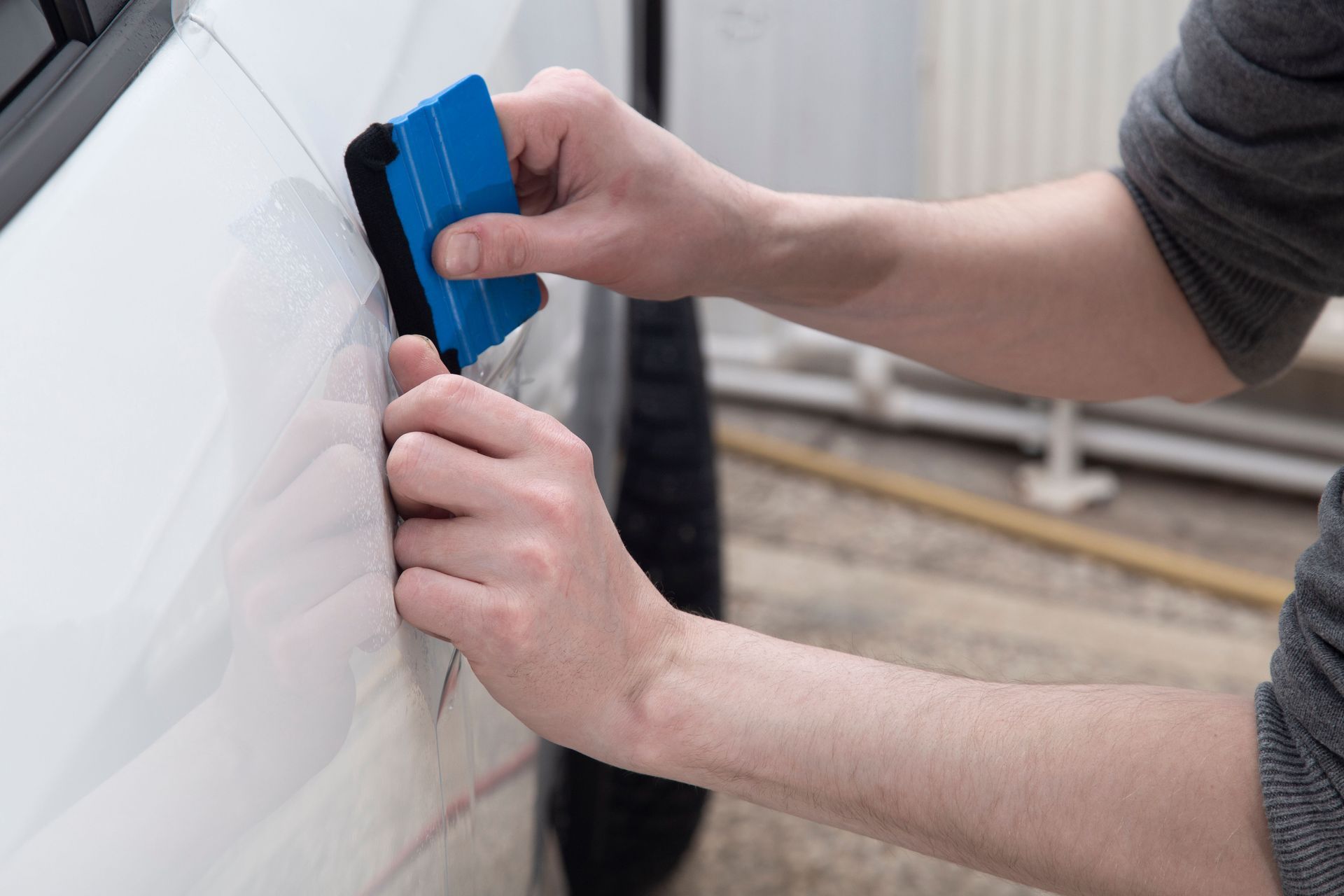
Paint damage often develops slowly, which makes early awareness critical. Prolonged exposure to sunlight can lead to fading and oxidation, especially on darker finishes that absorb more heat. Road debris, dust, and improper washing techniques introduce fine scratches that reduce clarity and gloss over time. Chemical contaminants such as bird droppings, bug residue, and tree sap can bond to the surface and cause staining if not removed quickly. Applying paint protection film creates a barrier that absorbs these impacts, helping preserve the original finish underneath.
Environmental conditions also vary by region and season, which can accelerate wear in different ways. Winter road salt can lead to corrosion, while summer heat increases the risk of paint breakdown. Moisture and humidity create conditions for mold and mildew, especially in areas that are not cleaned regularly. Consistent protection reduces the cumulative impact of these factors and keeps the surface stable. This is where paint protection film plays a key role in reducing long-term exposure damage.
2. Choose the Right Cleaning Products
Cleaning products directly influence how well paint holds up over time. Using automotive-specific shampoos ensures contaminants are removed without damaging protective layers. Harsh chemicals or household cleaners can strip wax, dull the finish, and weaken the paint surface. Eco-friendly solutions provide a balanced approach, offering effective cleaning power while remaining safe for both the vehicle and the environment. Pairing these products with paint protection film helps maintain both the protective layer and the paint beneath it.
Tools also matter just as much as the products themselves. Microfiber towels, soft wash mitts, and non-abrasive brushes reduce the risk of scratching during routine cleaning. Proper washing techniques, including rinsing before contact and drying with clean materials, further protect the surface. Small adjustments in the process can make a noticeable difference in long-term results. When combined with color paint protection film, these methods support a cleaner and more resilient finish.
3. Build a Consistent Maintenance Routine
Consistency is one of the most important factors in maintaining spotless paint. Weekly washing removes dirt and contaminants before they can embed into the surface and cause damage. Monthly waxing adds a protective layer that enhances shine and simplifies future cleaning. Seasonal detailing allows for deeper cleaning, paint correction, and preparation for changing environmental conditions. With color paint protection film in place, each step becomes more efficient and requires less effort to achieve strong results.
A structured routine also helps identify potential issues early. Small scratches, stains, or buildup can be addressed before they turn into larger problems. Keeping a regular schedule ensures that no area is overlooked and that the finish remains uniform across the entire vehicle. Over time, this consistency helps extend the life of the paint. It also allows paint protection film to perform at its highest level by reducing stress on the surface.
4. Remove Stains Safely and Effectively
Stains are a common challenge, but the approach to removal determines the outcome. Organic stains like bird droppings and tree sap require prompt attention to prevent etching. Mineral deposits from water spots can leave behind marks if not treated with the correct solution. Using soft materials and controlled pressure helps lift contaminants without causing additional damage. With color paint protection film, many stains remain on the outer layer, making them easier to remove.
Timing is a major factor in stain removal success. The longer a contaminant sits on the surface, the more likely it is to bond with the paint. Quick action reduces the need for aggressive cleaning methods that could harm the finish. Having the right products and tools readily available makes it easier to respond immediately. This approach works even more effectively when supported by paint protection film, which acts as a first line of defense.
5. Apply Protective Measures to Prevent Damage
Preventative measures help reduce the frequency and severity of paint issues. Protective coatings create a barrier that repels water, dirt, and contaminants, making surfaces easier to clean. Parking in covered areas or using protective covers limits exposure to sunlight and environmental debris. Managing temperature and humidity conditions also helps maintain paint stability over time. Installing paint protection film adds a durable layer that absorbs impact and reduces direct contact with harmful elements.
Security and environmental awareness also contribute to paint preservation. Avoiding high-traffic areas where debris is common can reduce the risk of chips and scratches. Being mindful of where and how a vehicle is stored helps minimize exposure to damaging conditions. These small decisions add up over time and support long-term results. Color paint protection film enhances these efforts by providing consistent protection across high-impact areas.
6. Leverage Auto Film and Vinyl for Added Protection
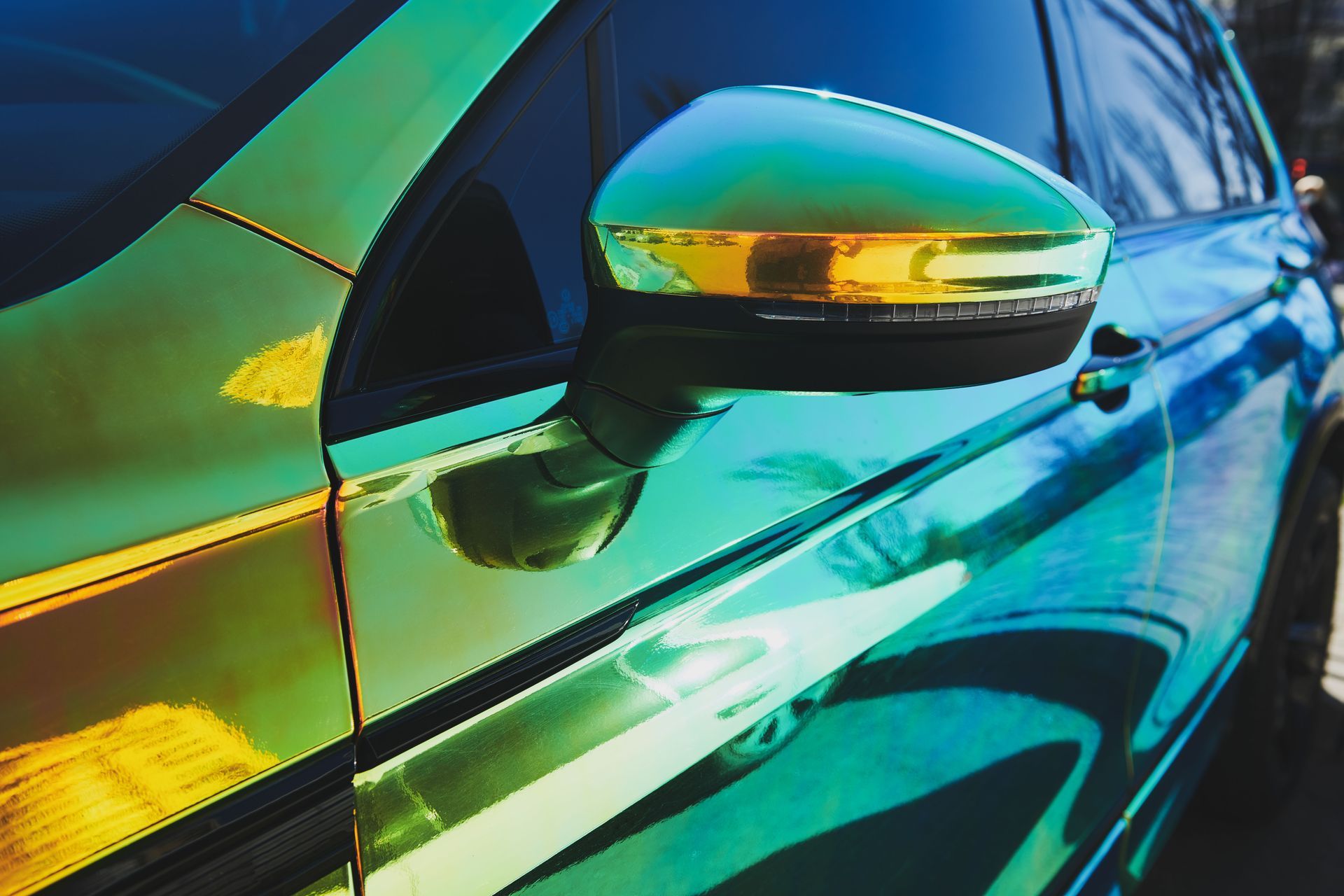
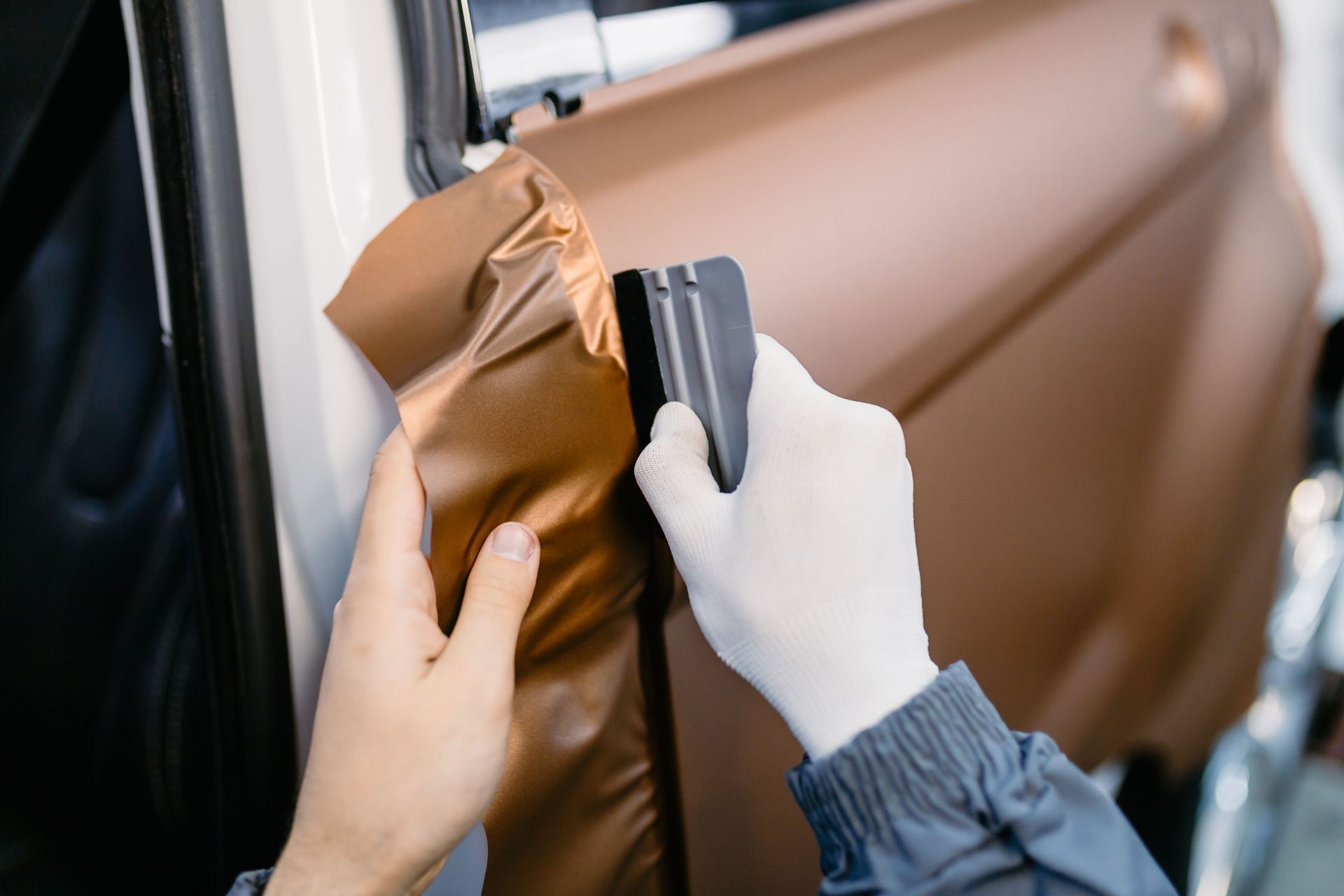
Auto film and auto vinyl offer additional ways to protect and customize a vehicle’s appearance. These solutions provide a physical barrier against scratches, chips, and environmental wear while allowing for unique design options. Auto restyling can refresh the look of a vehicle without altering the original paint permanently. Integrating color paint protection film into these applications ensures that protection remains consistent across all surfaces.
This combination of protection and customization adds both practical and visual value. Vehicles maintain a cleaner appearance while also standing out on the road. According to LookupAPlate, a single wrapped vehicle driving intercity can attract up to 12 million views a year, making the exterior condition even more impactful. Keeping the surface spotless enhances this visibility and reinforces a strong overall presentation. Color paint protection film supports this by maintaining a clean and polished finish.
7. Restore and Enhance Paint When Needed
Even with proper care, restoration may be necessary to maintain a high-quality finish. Paint correction removes imperfections such as swirl marks, oxidation, and minor scratches. Buffing and polishing refine the surface, restoring clarity and depth while improving overall appearance. Addressing chips and scratches early prevents further damage and keeps the finish consistent. After restoration, applying paint protection film helps preserve the improved surface and prevent new imperfections.
Professional restoration techniques ensure that results are precise and long-lasting. Proper tools and methods are used to avoid overcorrecting or damaging the paint. This level of care is especially important for maintaining uniformity across the vehicle. Once the surface is restored, ongoing maintenance becomes easier and more effective. Color paint protection film reinforces these results by adding a reliable protective layer.
Maintaining a spotless finish requires a combination of awareness, consistency, and the right protective strategies. Every step, from routine cleaning to advanced restoration, contributes to long-term paint performance. Services like auto film, auto vinyl, and auto restyling provide additional ways to protect and enhance vehicle appearance. A structured approach helps reduce wear, improve durability, and maintain a clean, polished look over time. Connect with Wrap Effects® to keep your vehicle protected and performing at a high level.